Soffit and Fascia Replacement Cost: 2026 Guide
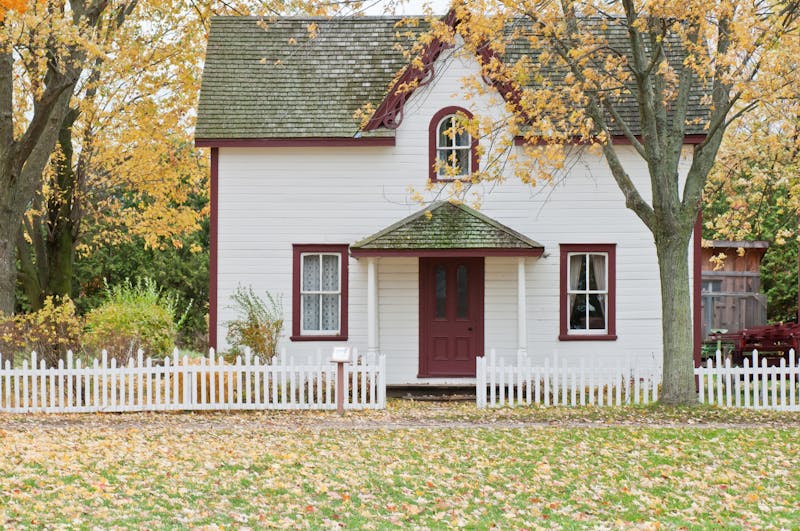
Soffit and fascia are the unsung workers of your home’s exterior. They seal the eave, ventilate the attic, and give the roofline its finished look — and they take constant abuse from weather, moisture, insects, and wildlife. When they fail, water follows quickly into the roof structure, attic, and walls.
Replacing soffit and fascia on a typical home costs $1,500–$6,000 for the full perimeter, though costs vary significantly based on material, linear footage, access difficulty, and how much rot has spread into adjacent structure. This guide breaks down every cost factor.
What Are Soffit and Fascia?
Fascia is the vertical board that runs horizontally along the edge of the roof, capping the ends of the roof rafters. It’s what gutter brackets attach to. Fascia takes the most direct exposure to rain and ice.
Soffit is the horizontal surface that bridges the gap between the fascia and the exterior wall — the underside of the eave overhang. Soffits contain vent strips or perforated panels that allow air to flow into the attic for proper ventilation.
The two components work together as a system. Water that penetrates the fascia typically wicks into the soffit below it; rot in the soffit can spread back to the rafter tails. Replacing one while ignoring the other is often a short-term fix.
Average Replacement Cost by Material
The material choice drives most of the cost difference.
| Material | Installed Cost Per Linear Foot |
|---|---|
| Wood (pine or cedar) | $6–$12 |
| Aluminum (pre-painted) | $8–$14 |
| Vinyl (PVC) | $7–$13 |
| Fiber cement | $10–$18 |
| Engineered wood (composite) | $9–$15 |
| Steel | $12–$20 |
| Copper | $20–$30+ |
Most homeowners today choose vinyl or aluminum for replacement work. Both are moisture-resistant, paintable, and considerably lower maintenance than wood. Fiber cement offers excellent durability and can be painted to match any siding, but it costs more and requires professional cutting.
Wood remains appropriate for historic homes or where local codes require material matching, but expect higher long-term maintenance costs from repainting and potential future rot.
Soffit vs. Fascia Pricing
When pricing comes in as a combined project, it helps to understand the split:
Fascia board replacement (vertical face board, typically 1x6 or 1x8):
- Materials alone: $1.50–$6/linear foot
- Installed (materials + labor): $6–$18/linear foot
Soffit panel replacement (horizontal underside panels):
- Materials alone: $1–$5/linear foot
- Installed (materials + labor): $5–$16/linear foot
Fascia typically runs $1–$3/linear foot more than soffit because the board must be fastened precisely to support gutters and takes more handling during installation.
Labor Costs
Labor accounts for a significant share of the total cost, particularly on larger homes or where access is difficult.
Typical labor rates:
- Single-story home: $2–$4/linear foot
- Two-story home: $3–$6/linear foot
- Three-story or greater: $5–$10/linear foot (often requires scaffolding)
A single-story home with a straightforward roofline and good site access is the easiest scenario. Complex hip roofs, dormers, and multi-story homes all add labor time. Some contractors charge per project rather than per linear foot for smaller jobs; expect a minimum call-out fee of $200–$400.
Extent of Rot: The Wildcard
The most unpredictable cost factor is how far rot has spread beyond the visible surface.
Fascia rot often travels into the rafter tails — the ends of the roof rafters that extend past the wall. Replacing rafter tails requires temporary roof support, framing work, and sometimes roofing removal to access the base of the rafter. This can add $300–$1,500 per rafter tail depending on severity and access.
Soffit rot can penetrate into the wall sheathing and even the top plate of the exterior wall frame in severe cases. If rot has reached structural members, you’re looking at a carpentry repair before soffit replacement can proceed.
Ask your contractor to probe for rot with an awl or screwdriver during the inspection, not just after demo. Experienced contractors can often identify the scope of soft wood before pulling anything down, giving you a more accurate estimate.
Gutter Removal and Replacement
Gutters almost always need to come down to replace fascia. Whether they go back up or are replaced depends on their condition.
If gutters are in good shape:
- Removal and reinstallation: $1–$2/linear foot
- Factor this into your total soffit/fascia quote
If gutters need replacing anyway, doing the work simultaneously saves a second mobilization fee. Many homeowners find that rotted fascia and failing gutters go together — the water damage that damaged the fascia came partly from gutters that were pulling away, overflowing, or inadequately sloped.
Full Project Cost Examples
Example A: Single-story ranch, 200 linear feet, vinyl
- Vinyl soffit and fascia materials (200 LF): $2,400 (@ $12/LF combined)
- Labor (200 LF @ $3/LF): $600
- Old fascia/soffit removal and disposal: $200
- Gutter reinstallation: $300
- Minor rot repair (assume 20 LF rafter ends): $400
- Total: ~$3,900
Example B: Two-story colonial, 280 linear feet, aluminum
- Aluminum soffit and fascia (280 LF): $3,640 (@ $13/LF)
- Labor (280 LF @ $5/LF): $1,400
- Old material removal: $300
- Gutter reinstallation: $450
- Moderate rot (4 rafter tails): $800
- Total: ~$6,590
Example C: Historic home, wood fascia only, 150 linear feet
- Cedar fascia replacement (150 LF): $1,200 (@ $8/LF)
- Labor (150 LF @ $3.50/LF): $525
- Priming and painting: $400
- Gutter reinstallation: $250
- Total: ~$2,375
These numbers are illustrative midrange estimates. Your actual cost will depend on local labor rates, material choices, and the extent of any underlying rot.
Signs You Need Soffit or Fascia Replacement
Don’t wait until water is visibly dripping into your attic.
Fascia warning signs:
- Peeling or blistering paint (early moisture intrusion)
- Soft spots you can press a finger into
- Gutters pulling away from the house at multiple points
- Visible cracks or splits in the wood face
- Staining or discoloration that reappears after painting
Soffit warning signs:
- Visible holes, gaps, or deteriorated vent screens (entry points for insects and rodents)
- Sagging or warped panels
- Water stains on interior attic walls near the eaves
- Presence of wasps, hornets, or birds repeatedly accessing the same eave spot
Annual inspection tip: Walk the full perimeter of your home each spring with binoculars. Catching early fascia paint failure costs a paint job; catching it two years later costs a fascia replacement.
Material Selection Guide
Vinyl soffit and fascia is the most popular replacement choice today. It doesn’t rot, doesn’t need painting (though it’s paintable if you want to change colors later), installs quickly, and costs less than most alternatives. The main downside is that it can look less premium than wood or fiber cement on higher-end homes, and it expands and contracts noticeably with temperature changes.
Aluminum is more rigid than vinyl, handles temperature swings better, and is available pre-painted in a wide range of colors. It dents more easily than vinyl but is highly resistant to rot and insects. A good choice for coastal climates where salt air accelerates corrosion.
Fiber cement (Hardie or equivalent) is the premium option for homeowners who want a material that looks like wood but won’t rot. It’s heavier, must be professionally cut (produces silica dust), and requires painting — but once installed and painted, it lasts decades with minimal maintenance. Best choice when matching existing fiber cement siding.
Wood is still appropriate for historic restorations or when local design standards require it. Use primed finger-jointed pine or vertical-grain cedar for best rot resistance, and budget for repainting every 5–7 years.
DIY vs. Hiring a Contractor
Replacing soffit and fascia is within the reach of an experienced DIYer for single-story work — but only if the rot is limited to the cosmetic boards and hasn’t spread into the framing.
DIY makes sense when:
- Single-story with safe, stable ladder positions
- Rot is confined to the surface boards
- You’re comfortable working at height for extended periods
- You have basic carpentry skills and the right tools (circular saw, nail gun, level)
Hire a contractor when:
- Two-story or higher
- Rot has reached rafter tails or wall framing
- Gutters are also being replaced (coordination is easier with one crew)
- Large linear footage (300+ LF) makes DIY time-intensive
One practical reason to hire even on simpler jobs: contractors can identify and probe for rot that an untrained eye won’t catch until a panel is already removed.
Comparing Accurate Estimates
To get comparable bids:
-
Request three written estimates from established local contractors. Soffit and fascia work is often done by roofing contractors, siding contractors, or general carpenters — don’t limit your search to just one trade type. Verify licensing and insurance for the trade doing the work.
-
Ask if rot repair is included or billed separately. Contractors who include rot repair as a blanket allowance in the base bid versus those who bill additional time-and-materials can produce very different final invoices.
-
Specify material and profile. Tell each bidder exactly what you want (vinyl vs. aluminum, soffit width, fascia depth) so you’re comparing like for like.
-
Ask about gutter handling. Will gutters be removed and reinstalled? At what cost? Will they be inspected and re-sloped if needed?
-
Confirm disposal is included. Old material removal and dumpster fees can add $100–$400 to a project if not bundled.
The Bottom Line
Soffit and fascia replacement is not the most glamorous home improvement project, but failing to address it creates cascading problems — gutter failure, water intrusion, rafter rot, attic moisture, and pest entry. Most homeowners should budget $1,500–$6,000 for a full-perimeter replacement on a single-family home, with significant variation based on material choice and the extent of any rot.
The best time to address soffit and fascia is before rot has spread to the framing and before the gutters have failed. Catching it early keeps the project a straightforward cosmetic repair rather than a structural one.

Shingle Science Editorial Team
Independent trade-focused editorial team