Luxury shingles vs architectural shingles: How to choose
Quick answer
Luxury, designer, and premium shingles are generally the upper tier of laminated architectural asphalt shingles. Choose standard architectural shingles when value, broad availability, and a conventional dimensional look lead; consider luxury shingles when a specific slate- or shake-inspired profile justifies the added quote and the exact product meets your roof, code, rating, and warranty requirements.
Common questions
- Are luxury shingles the same as architectural shingles?
- Luxury shingles are usually a premium type of laminated architectural asphalt shingle. Manufacturers also use designer and premium for this tier, so compare the exact product rather than relying on the label.
- Are luxury shingles always Class 4 impact rated?
- No. Impact classification belongs to the exact tested product and sometimes only to packages carrying the classification statement. A luxury label does not prove a Class 4 rating, and a rating is not a hail-damage guarantee.
- Do luxury shingles require roof reinforcement?
- Not automatically, but do not assume the existing deck and framing are suitable. Ask the contractor to document the proposed product load, roof layers, deck condition, installation requirements, local code, and whether structural review is needed.
- Are luxury shingles worth it?
- They can be when the deeper slate- or shake-style appearance is important and the exact specification improves something you value. Compare complete written quotes; do not assume the category alone provides a longer service life, better rating, or broader warranty.
Source note: Reviewed October 28, 2026 against current GAF Timberline HDZ and Camelot II data sheets, installation instructions, and limited warranty, plus IKO's explanation of manufacturer terminology.
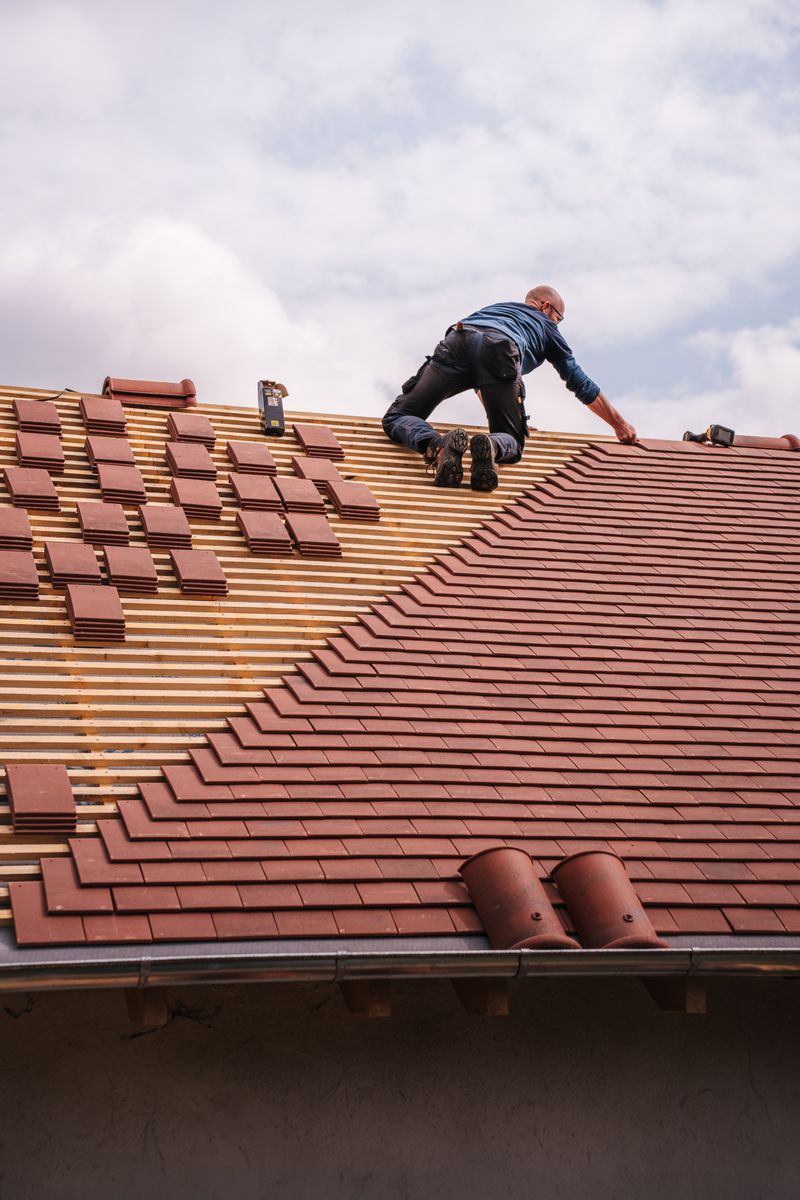
Luxury shingles are not a completely different material from architectural shingles. They are generally the premium, more sculpted tier of laminated architectural asphalt shingles, also marketed as designer or premium shingles.
Standard architectural shingles are usually the value-focused choice. Luxury shingles make sense when their slate- or shake-inspired appearance and the exact product specifications justify the higher quote. The label alone does not establish better wind, hail, fire, lifespan, insurance, or structural performance.
Luxury shingles vs architectural shingles at a glance
| Decision point | Standard architectural shingles | Luxury or designer shingles |
|---|---|---|
| Product family | Laminated asphalt shingles | Premium subset of laminated architectural asphalt shingles |
| Typical design goal | Dimensional color and shadow at a mainstream price point | More pronounced slate, wood-shake, or specialty profile |
| Construction | Varies by product line | May use a larger format, different cut, added layers, or more material; verify the data sheet |
| Weight and roof load | Product-specific | Often marketed as heavyweight, but obtain the exact load and evaluate the existing assembly |
| Wind, impact, and fire ratings | Product-specific | Product-specific; “luxury” is not a rating |
| Warranty | Exact document, owner, building, accessories, installer, and installation control coverage | The same rule applies; premium branding does not override exclusions or proration |
| Best fit | Budget-conscious replacements and a conventional dimensional look | Highly visible roofs where a specific premium profile adds enough design value |
Manufacturer terminology overlaps. IKO describes luxury, premium, and designer shingles as the high end of the architectural laminated category and warns that not every designer product carries a Class 4 impact rating. That is why bids should name a manufacturer, product line, color, and published specification—not merely “architectural” or “luxury.”
If you are still comparing laminated shingles with flat, single-layer products, begin with architectural vs 3-tab shingles. This guide addresses the next decision: standard architectural versus the designer tier.
What the luxury upgrade can actually change
A more deliberate slate or shake appearance
Appearance is the clearest reason to consider luxury asphalt shingles. Luxury lines may use larger pieces, distinctive tabs, stronger shadow patterns, and palettes intended to resemble natural slate or wood shake.
Judge that difference on the house, not from a small digital swatch. Ask for:
- Full-size samples viewed in sun and shade
- Addresses where the same product and color are installed
- A layout explanation for valleys, dormers, hips, ridges, and small roof planes
- Written confirmation that matching hip, ridge, and starter products are available
Different handling, coverage, and installation details
Product dimensions, exposure, package count, nail count, starter, ridge cap, slope limits, and application pattern can change. This same-manufacturer example shows why exact documents matter:
| Published specification | GAF Timberline HDZ architectural | GAF Camelot II designer |
|---|---|---|
| Construction | Fiberglass asphalt | Fiberglass asphalt |
| Nominal dimensions | 13 1/4 × 39 3/8 inches | 17 × 34 1/2 inches |
| Exposure | 5 5/8 inches | 7.5 inches |
| Bundles per square | 3 | 4 |
| Pieces per square | 64 | 56 |
| Published impact classification | UL 2218 Class 3 on qualifying labeled packages | UL 2218 Class 4 on qualifying labeled packages |
| Published fire and wind standards | ANSI/UL 790 Class A; ASTM D7158 Class H; ASTM D3161 Class F | ANSI/UL 790 Class A; ASTM D7158 Class H; ASTM D3161 Class F |
These values come from the current Timberline HDZ data sheet and Camelot II data sheet. They illustrate two specific products, not a rule for every architectural or luxury shingle.
Four bundles instead of three does not, by itself, state the installed roof load. Require the bidder to provide the exact product weight or design load used for estimating and to account for tear-off, any remaining roof layers, underlayment, accessories, deck repairs, and local requirements.
Do luxury shingles need a stronger roof deck?
The correct question is whether the complete proposed assembly suits the existing deck and framing.
GAF’s Camelot II installation instructions call for a minimum 2:12 slope and at least 3/8-inch plywood or OSB meeting the stated standards. They also address board decks, fastening, underlayment, ventilation, cold-weather sealing, and reroofing. The Timberline LayerLock instructions contain separate requirements for that family.
Before contract, ask the roofer to record:
- The deck material, thickness, spacing, condition, and fastening
- Existing roof layers, the tear-off plan, and the proposed assembly load
- Any soft, delaminated, spaced, or non-nailable deck areas and their unit repair price
- Whether local code, the building official, or observed framing calls for an engineer
Do not treat a manufacturer’s minimum deck instruction as a structural approval for a particular building.
Ratings must follow the exact product
Neither “architectural” nor “luxury” proves a performance rating. Confirm the product name, package markings, location-specific approval, and installation method.
In the comparison above, qualifying Timberline HDZ packages carry a published UL 2218 Class 3 classification, while qualifying Camelot II packages carry Class 4. GAF states that those controlled impact tests are not a warranty against hail damage. See our guide to Class 4 impact-resistant shingles for what the classification does and does not establish.
The two cited products also publish the same listed fire class and wind-test classes, so the premium label alone does not create a higher result in every column. Local code, roof geometry, deck attachment, edge details, starter strips, fasteners, ventilation, climate, and installer execution still matter.
Ask an insurer about a discount before buying, using the exact product and classification. Eligibility, documentation, policy terms, deductibles, and future pricing are the insurer’s decision; never build the upgrade case around an assumed savings percentage.
Compare warranties as systems, not slogans
“Lifetime” is not a predicted service life. In GAF’s current Shingle & Accessory Limited Warranty, lifetime has a defined owner-and-building meaning, manufacturing-defect remedies change after the initial protection period, wind coverage depends on installation, and hail is excluded.
The document also says replacement material may not match after product changes or weathering. A distinctive designer pattern can therefore be difficult to blend in a future repair.
For each bid, compare:
- Manufacturing-defect coverage and how remedies are prorated
- Wind term, speed, fastening, starter, and accessory conditions
- Algae terms and qualifying package labels
- Transfer rules for a future owner
- Workmanship coverage and who actually provides it
- Tear-off, disposal, flashing, labor, and interior-damage exclusions
- Claim notice, proof, inspection, and sample requirements
Our roofing warranties guide explains the difference between manufacturer, system, and contractor coverage.
Are luxury shingles worth it?
Choose standard architectural shingles when:
- You prefer a conventional dimensional appearance or the roof is not highly visible
- A suitable product meets the required local ratings and approvals
- You would rather direct budget toward deck repair, flashing, ventilation, or drainage
Consider luxury shingles when:
- A particular slate- or shake-style profile materially improves the design, based on samples and completed roofs
- The exact product documents fit the slope, deck, climate, code, and rating needs
- The complete quote, including accessories and labor, fits the budget
Do not assume luxury shingles last a fixed number of years longer. Service depends on the exact product, installation, deck, ventilation, exposure, maintenance, and weather. Compare major asphalt-shingle brands only after defining those job requirements.
Use this quote checklist
Have every bidder price the same scope and attach the documents that support it:
- Manufacturer, product line, color, and package identifier
- Current data sheet, installation instructions, and warranty edition
- Measured roof area, waste factor, bundles, and accessory quantities
- Tear-off layers, disposal, deck inspection, and deck-repair unit prices
- Product load and any structural-review requirement
- Underlayment, leak barrier, starter, hip, ridge, flashing, and ventilation products
- Fastener type, count, placement, and any enhanced-wind method
- Exact impact, wind, fire, cool-roof, or regional approval being quoted
- Installer certification required for upgraded coverage
- Manufacturer and contractor warranty terms, exclusions, and transfer rules
- Change-order process for concealed damage
- Photos, cleanup, permit, inspection, and closeout documents
Compare totals rather than a material-only multiplier. Roof size, slope, access, tear-off, deck condition, flashing, ventilation, labor, permits, waste, and availability can outweigh the tier difference.
The bottom line
For most value-led projects, a well-specified standard architectural shingle is the practical answer. Upgrade for a specific appearance and verified product specification, not a category promise. Choose between complete, like-for-like quotes that document the product, roof assumptions, ratings, deck repairs, accessories, and warranty eligibility.

Shingle Science Editorial Team
Independent trade-focused editorial team